The most persistent question hurled at search engines and chatbots about iRacing never concerns lap times or physics models. It is always the same blunt inquiry: how much does this thing actually cost? The answer arrives with the subtlety of a stock car slamming into the wall at Talladega. It is not cheap, it is not forgiving, and it will test your resolve the moment you decide to take the plunge. One does not wander into iRacing expecting a casual Sunday drive through pixels. One prepares the wallet for a calculated assault that varies wildly depending on how deeply one intends to commit. Here is the precise accounting, stripped of illusions and organized by the real-world scenarios and distinct disciplines that define this simulator.
Begin with the foundation. Every driver starts with a subscription. New members receive a merciful thirty percent discount on their first purchase, which softens the blow but does not eliminate it. One month runs nine dollars and ten cents instead of the regular thirteen. Three months sit at twenty-three dollars and ten cents. A full year costs seventy-seven dollars, while the two-year commitment lands at one hundred thirty-nine dollars and thirty cents, the smartest long-term play for anyone serious. Renewals revert to full price—thirteen dollars monthly or one hundred ten annually—so the wise man locks in the longer term from the outset. That subscription grants immediate access to thirty-one cars and twenty-seven laser-scanned tracks, a respectable stable that covers every rookie series without a single extra penny. You race against real humans around the clock, no additional fees for the servers or the matchmaking. The base package is the only honest bargain in the entire operation.

Thrustmaster T300RS GT Steering Wheel & Pedal Set
The T300 is a proven mid-range wheel with smooth belt-driven force feedback and a responsive brushless motor for clear track feel. An 11-inch leather wheel, solid three-pedal GT set, and PS5, PS4, and PC compatibility give racers the precision to brake later, hold tighter lines, and improve lap after lap.
Buy on AmazonAffiliate link • Ships fast from Amazon
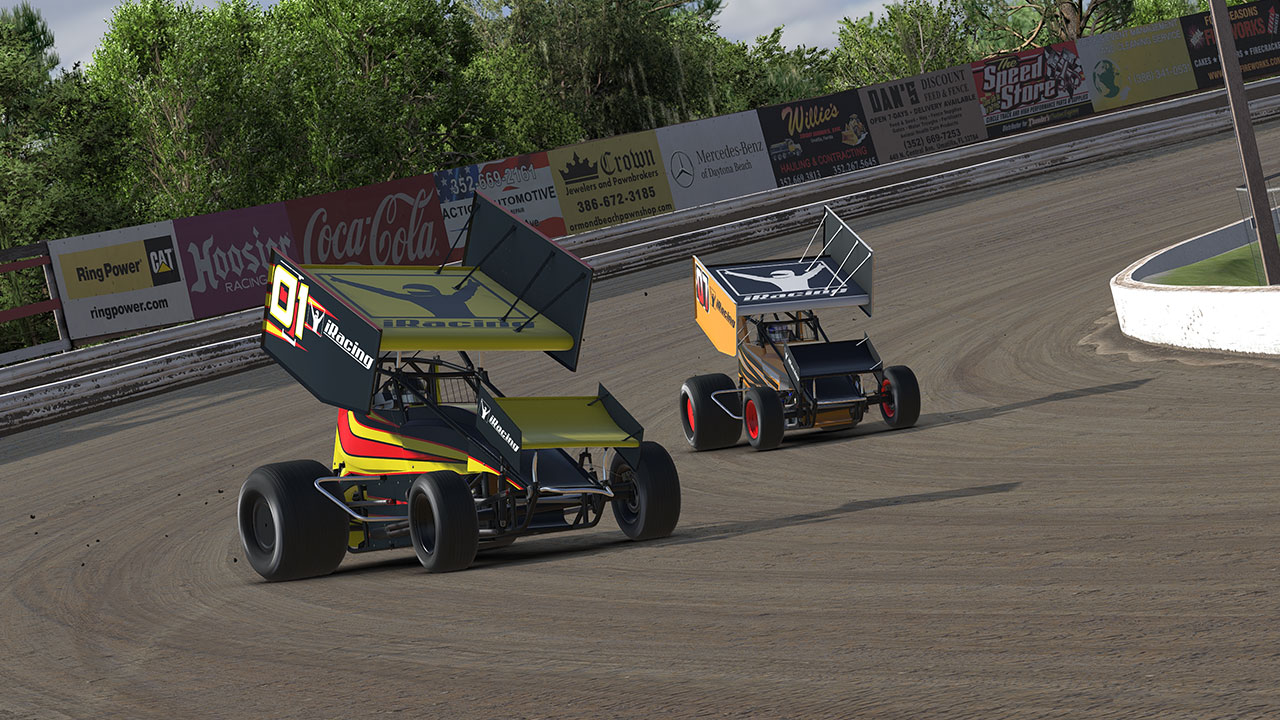 Additional content arrives separately and forever. Cars carry a one-time fee of eleven dollars and ninety-five cents each. Tracks run eleven dollars and ninety-five cents or fourteen dollars and ninety-five cents, depending on complexity. A handful of legacy items dip to two dollars and ninety-five cents or four dollars and ninety-five cents during promotions. Smart buyers bundle purchases—three items earn ten percent off, six items fifteen percent—and the discounts compound if you accumulate enough over time. You buy only what your chosen series demands. The system refuses to force-feed you content you will never use, a courtesy that feels almost civilized in an age of predatory microtransactions.
Now the scenarios diverge, and the costs reveal their true character.
The absolute beginner tests the waters with nothing beyond the subscription. He signs up, downloads the client, and sticks exclusively to rookie series—Mazda MX-5 Cup on road, Street Stocks on oval, or the entry-level dirt offerings. All required cars and tracks sit inside the base package. Total outlay for the first month: nine dollars and ten cents. He races for weeks, learns the ropes, and either flees or upgrades. This path demands the least courage from the bank account and the most from the driver who must admit he might not belong here.
The casual racer picks one discipline and one series, perhaps the D-class Late Model Tour on asphalt oval. He needs the subscription plus one extra car at eleven dollars and ninety-five cents and roughly three to five tracks at fourteen dollars and ninety-five cents apiece. Add volume discounts and the seasonal total rarely exceeds fifty dollars beyond the membership itself. He runs twelve weeks, earns a few participation credits worth up to ten dollars per season, and repeats the modest exercise. The wallet feels the sting but survives without stitches. This fellow treats iRacing like a weekly bowling league rather than a second mortgage.
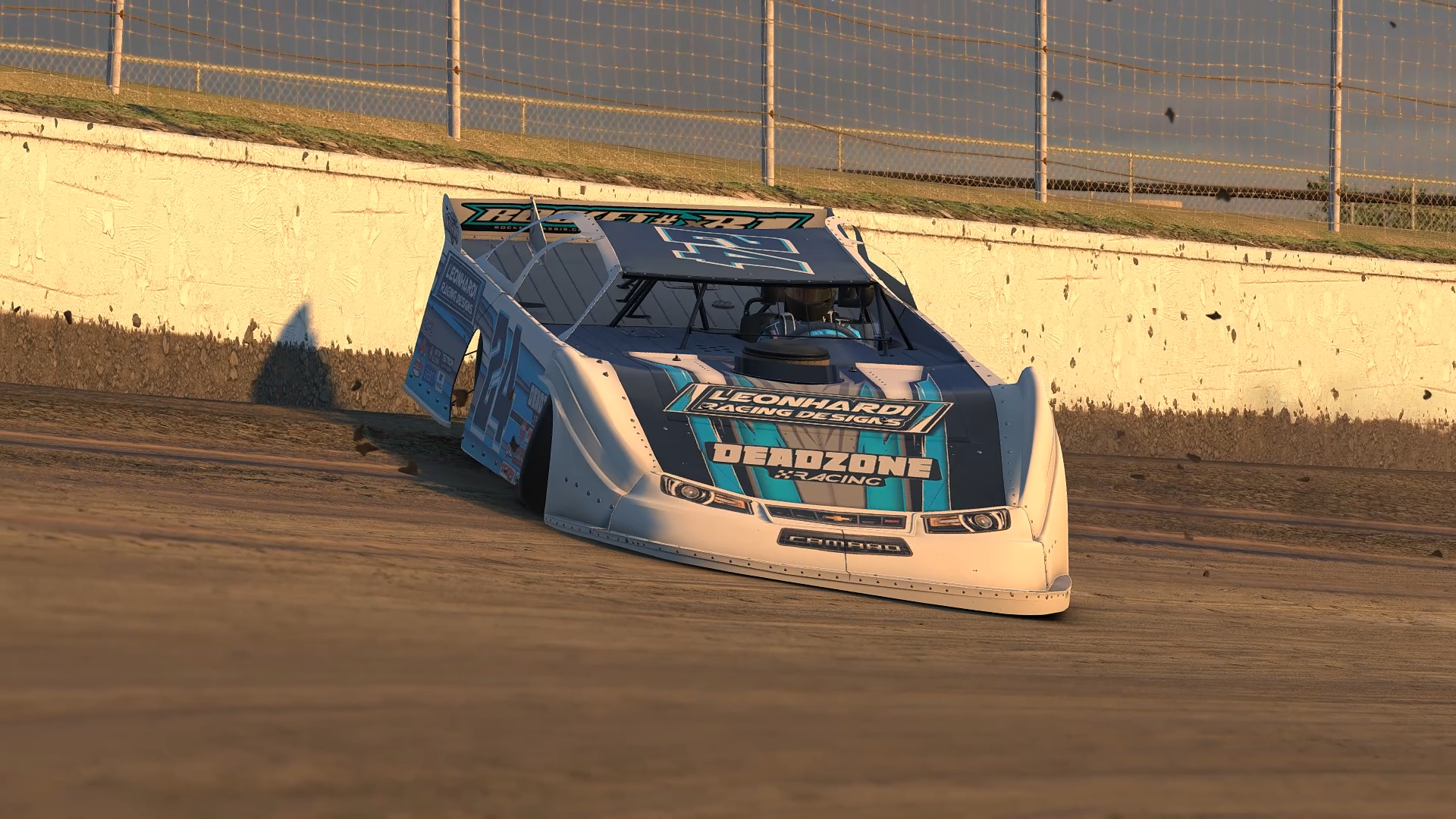 The serious single-discipline devotee separates the men from the boys. An oval specialist chasing NASCAR-style stock cars through a full season might spend one hundred to one hundred fifty dollars in extra content during his first year. Tracks rotate, but popular venues repeat often enough that the library builds slowly. Road racers face harsher mathematics. A GT3 or prototype campaign in the IMSA series demands far more tracks—Spa, Le Mans, Road America, the lot—and the costs climb quickly toward two hundred fifty or three hundred dollars annually after the subscription. The road discipline punishes the wallet because circuits multiply and configurations multiply further. Dirt oval enthusiasts land somewhere in the middle; World of Outlaws tracks prove cheaper over time because fewer premium venues exist and the base dirt content covers more ground than most expect. The dirt road crowd occupies a niche sweet spot—specialized but not bankrupting—if they avoid chasing every global rallycross variant.
The all-rounder who samples every discipline becomes the cautionary tale. He eyes oval one week, switches to road the next, then decides dirt sounds fun. Each new series requires its own cars and tracks. The first year easily devours four hundred to six hundred dollars in add-ons on top of the subscription. The compulsive collector who eventually owns every car and track—roughly two thousand dollars total—exists, but he is the exception who proves the rule: iRacing rewards focus far more than it rewards hoarding.
A few mechanisms soften the blow if one pays attention. Participation credits return up to forty dollars a year for simply showing up and completing races across official series. Invite a friend, earn more credits. Gift cards and occasional promotions appear without warning. The traditional approach still prevails: choose one path, master it, expand only when the skill and the budget both justify the move. That method echoes the old logic of any serious pursuit—commit first, then invest—rather than spraying dollars in every direction like a novice at the roulette table.
The unvarnished truth remains. iRacing costs exactly what you decide it will cost. The rookie who stays rookie pays pocket change. The dedicated oval man pays a modest annual tribute. The road warrior or the everything-at-once collector pays the full freight and wonders why his wife is staring at the credit card statement with that particular expression. Yet every dollar spent buys something the cheaper simulators cannot match: laser-scanned precision, relentless competition against real drivers, and the unmistakable sensation that you are racing, not merely playing. The price is not a barrier. It is the first real test on the grid. Pass it with discipline, and the laps that follow will feel worth every cent. Fail to respect it, and you will exit the session wondering why you ever clicked that sign-up button. The choice, as always, sits squarely in your hands.
Leave a Reply