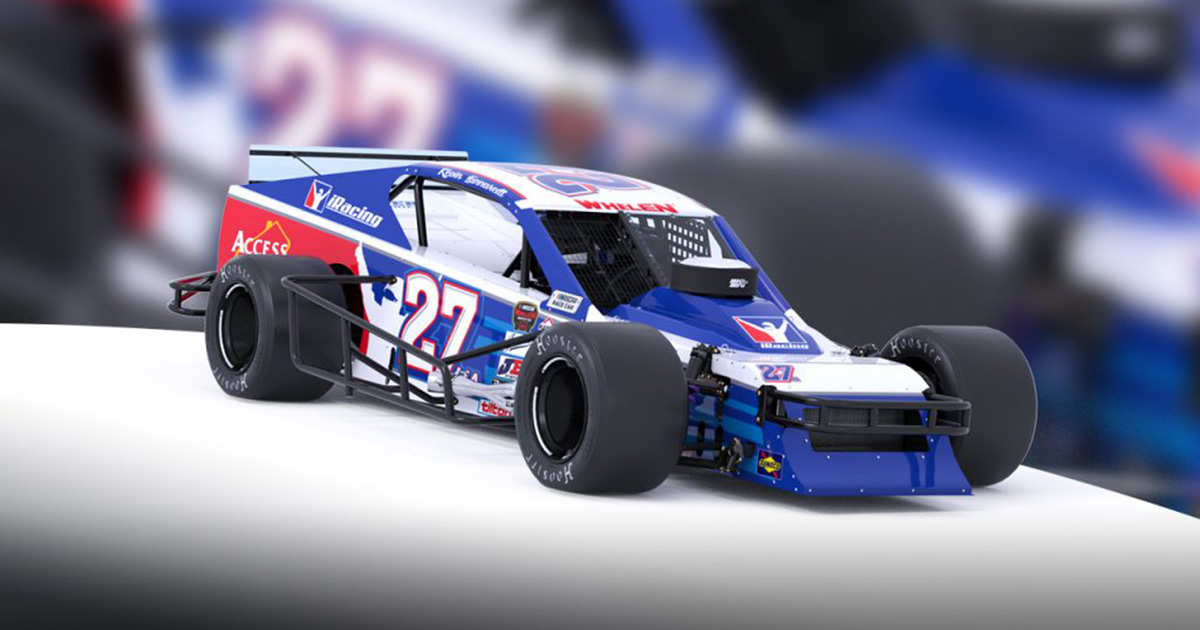
 Will iRacing’s Physics Refresh Finally Give the SK and Tour Modifieds the Grip They Deserve?
One approaches the announcement of iRacing’s 2026 Season 3 update with a mixture of cautious optimism and the weary skepticism born of too many prior promises. The developers have applied a comprehensive, ground-up physics refresh to the SK Modified and Tour Modified cars. On paper, this sounds like the sort of serious attention these open-wheel short-track machines have long required. Yet the central question lingers like a loose wheel nut: will it actually solve the persistent complaint that these cars offer remarkably little grip despite rolling on tires that look substantial enough to plant a small aircraft?
The SK Modified, with its more modest power and disciplined setup, and its higher-output Tour Modified sibling have always promised thrilling oval competition. Instead, many drivers have found themselves wrestling machines that slide about with all the composure of a novice on ice skates. Huge racing slicks ought to deliver confidence-inspiring traction, particularly in the sort of tight, momentum-preserving corners that define short-track racing. The reality, however, has too often been a car that refuses to take a proper set, demanding constant correction and punishing any attempt at aggressive driving with an abrupt loss of purchase. It is the kind of behavior that makes one wonder whether the simulation has been faithfully replicating some obscure real-world peculiarity or simply falling short in its modeling of tire contact and mechanical grip.
The update leans heavily on iRacing’s latest simulation tools and tire models. The team expresses genuine enthusiasm for returning to these foundational vehicles, and one hopes that enthusiasm translates into meaningful improvements rather than another round of incremental tweaks that leave the core frustration intact. A proper refresh should address how those generously sized slicks interact with the pavement—enhancing the sense of bite when the car is rotated properly and reducing the sensation that one is forever fighting a vague, slippery understeer or snap oversteer that defies the visual evidence of wide rubber.
Of course, time and actual seat time will reveal the truth. The Season 3 build, with its development preview arriving toward the end of May 2026, will soon place these revised machines in the hands of the community. If the physics team has done its work thoroughly, drivers may at last discover the rewarding balance these modifieds were always meant to provide: enough power to excite, enough grip to trust, and enough challenge to keep the racing honest and traditional in the best sense.
Until then, the question remains open. One hopes iRacing has not simply polished the exterior while leaving the fundamental handling quirks untouched. These cars deserve better than to remain a case study in unfulfilled potential. Fire them up when the update drops, drive them with the care and precision they demand, and see whether the grip has finally arrived or whether the same old complaints persist. The simulator has made the right noises; now it must deliver the proper sensation.
Leave a Reply